DWP 13-week benefit transition rule for claimants moving between Scotland and England, Digi Mart USA News (United Kingdom): The Department for Work and Pensions has explained how the system works for people in Scotland and England on benefits who move from one country to the other. The information was released in a November update on the relationship between Scotland and England’s social security systems, which includes a 13-week rule claimants need to know about.
The DWP and Social Security Scotland support claimants across two different systems. DWP officials have procedures to help point people in Scotland toward Scotland-only benefits.
In its new update, the DWP said it has specific rules to support claimants when they move from one country to the other, including a special 13-week rule to assist with that transition.
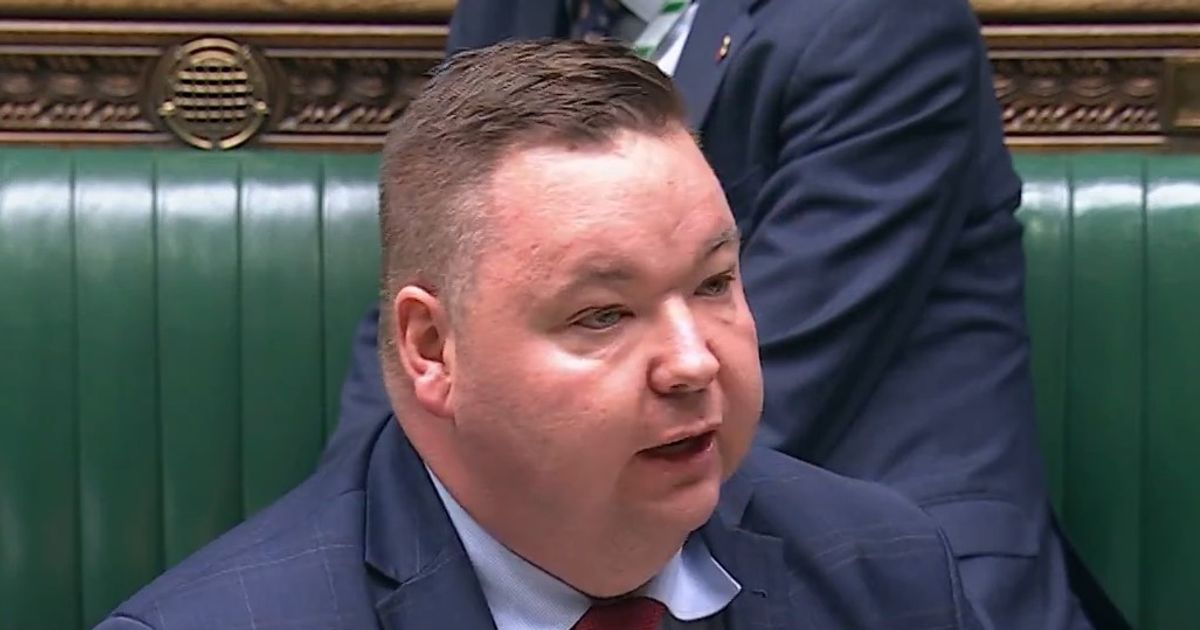
The update follows a request for answers from Scott Arthur, Labour MP for Edinburgh South West, who asked the department what steps it is taking to improve the relationship between the social security systems in England and Scotland. He also asked what the DWP was doing to get more young people from lower socio-economic backgrounds in Scotland into work.
On Friday, November 6, the DWP issued a parliamentary response from minister Andrew Western. He said DWP and Social Security Scotland have a close, ongoing working relationship built around supporting shared customers across two systems.
DWP service delivery staff signpost claimants to Social Security Scotland for devolved benefits, and the two organisations collaborate through regular forums, joint working groups and a dedicated DWP liaison unit.
Western said the agencies share information and data to support customers who receive benefits from both governments. When someone moves from one jurisdiction to the other, the customer continues to receive the relevant benefit for up to 13 weeks from the date of the move, giving them time to make a new claim with either the DWP or Social Security Scotland, as appropriate.
The response also addressed youth employment. Western said there are around one million young people not in education, employment or training, and that the UK Government is investing an additional £2.5 billion by 2029 into the Youth Guarantee across Great Britain and the Growth and Skills Levy in England, with Barnett consequentials for the Scottish Government.
He said this support is expected to reach almost one million young people and create up to 500,000 opportunities to earn and learn.
Among the measures, Western listed the expansion of Youth Hubs to more than 360 locations across Great Britain by March 2029, and earlier intensive support through the Youth Guarantee Gateway, under which every young person on Universal Credit looking for work will receive tailored support from their first Jobcentre appointment. He also cited the £3,000 Youth Jobs Grant and the Jobs Guarantee scheme, which provides long-term unemployed 18–24-year-olds with a fully funded six-month job.
Phase One of the Jobs Guarantee began in April 2026 across six areas, including Central and East Scotland, with national rollout across 25 areas in Great Britain starting from November 2026.
Western’s response comes as Prime Minister Andy Burnham awaits a report this year from senior Labour figure Alan Milburn, which is due to recommend significant reforms to get more young people into work. Some reports suggest this could include replacing PIP and Universal Credit for young people.
Western said the government will use Milburn’s interim report to continue building its reforms and looks forward to final recommendations in the autumn.
Claimants moving to Scotland from England can find more information on the Social Security Scotland website.